Rosa Schmitt · 3 October 2026
Mapping Connections Between Content Updates and Audience Retention Rates in Analytics Frameworks
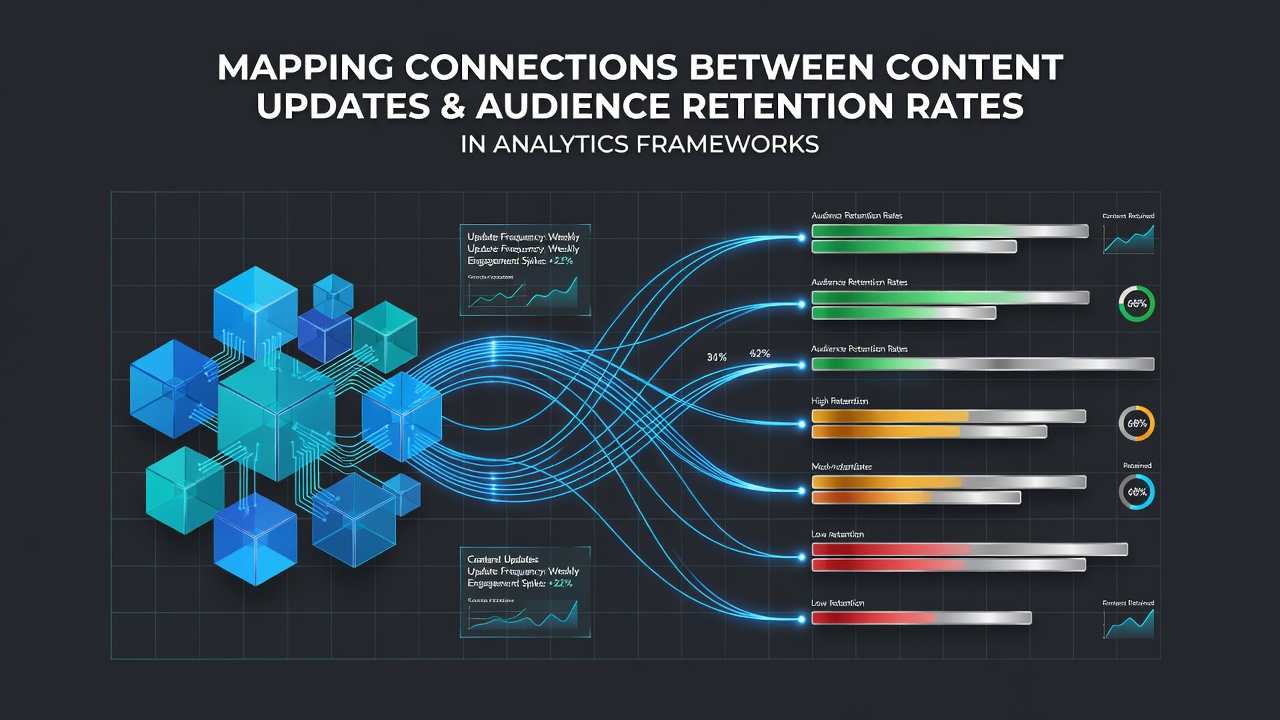
Analytics frameworks track how content updates influence audience retention by correlating publication dates with metrics such as session duration, return frequency, and scroll depth, and researchers have documented these patterns across digital platforms since the early 2020s. Data from integrated systems shows that scheduled refreshes often align with measurable lifts in repeat visits, while irregular updates correlate with flatter retention lines in the same datasets.
Core Components of Retention Tracking Systems
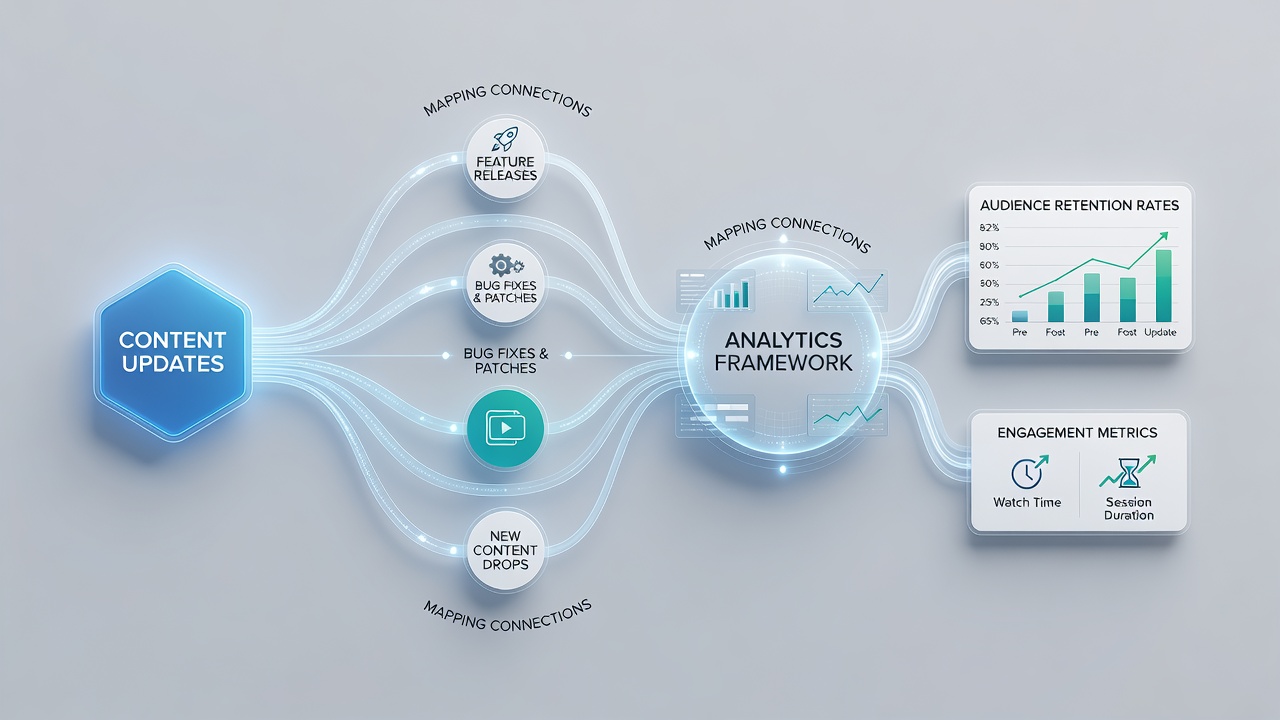
Modern analytics platforms combine timestamped content logs with user behavior signals to isolate the effects of individual updates, and this integration allows observers to segment audiences by exposure to new material versus older versions. Studies indicate that frameworks built on event-level data capture drop-offs more precisely than aggregate reports, because they link specific page revisions to changes in time-on-page distributions. Those who maintain these systems note that API connections between content management tools and analytics databases reduce latency in reporting, which in turn supports timely identification of retention shifts following an edit or addition.
Update Frequency and Metric Shifts Observed in 2026
Records from October 2026 reveal that sites releasing updates on a bi-weekly cadence experienced average retention gains of 12 to 18 percent in returning visitor cohorts, according to aggregated platform telemetry. In contrast, monthly or less frequent revisions produced smaller movements that stayed within typical seasonal variance bands. Analysts working with these datasets point out that the magnitude of change depends on update scope, because minor copy edits register weaker correlations than structural additions such as new sections or embedded media.
Segment-Level Patterns Across Audience Groups
Breakdowns by user tenure demonstrate that newer visitors respond more strongly to recent content additions, whereas long-term users show steadier retention regardless of update timing. Figures compiled by research teams at Statistics Canada indicate similar segmentation effects in national digital consumption reports, with first-time sessions exhibiting steeper retention curves after fresh material appears. Those examining cohort tables also find that geographic clusters display distinct responses, since audiences in high-mobile-penetration regions retain longer when updates include responsive design tweaks.
Framework Integration Techniques That Surface Connections
Teams configure custom dimensions to tag each content version, then apply regression models that treat update events as independent variables against retention outcomes. This approach surfaces lagged effects where an update from one week influences behavior measured two or three weeks later, and practitioners report improved model fit when incorporating external signals such as social mentions or search volume spikes. Data pipelines that merge these variables into unified schemas enable queries that isolate the contribution of content changes from other traffic drivers.
Case Examples from Platform Implementations
One media outlet that synchronized its publishing calendar with analytics alerts observed a consistent uptick in average pages per session within 48 hours of each update, and the pattern repeated across multiple verticals tracked in the same dashboard. Another organization applied anomaly detection to flag retention dips that coincided with periods of static content, prompting targeted refresh campaigns that restored prior engagement levels within a single reporting cycle. Observers reviewing these implementations note that success hinged on clean data mapping rather than the volume of updates alone.
Conclusion
Analytics frameworks continue to refine methods for mapping content updates directly to retention outcomes, and the resulting datasets support evidence-based scheduling decisions across publishing environments. Continued improvements in timestamp granularity and cross-tool connectivity will likely strengthen these correlations further, giving operators clearer visibility into how revision activity shapes audience behavior over time.