Frankie Jenkins · 17 October 2026
Mapping User Engagement Shifts Following Algorithm Updates Through Custom Alert Systems in Analytics Platforms
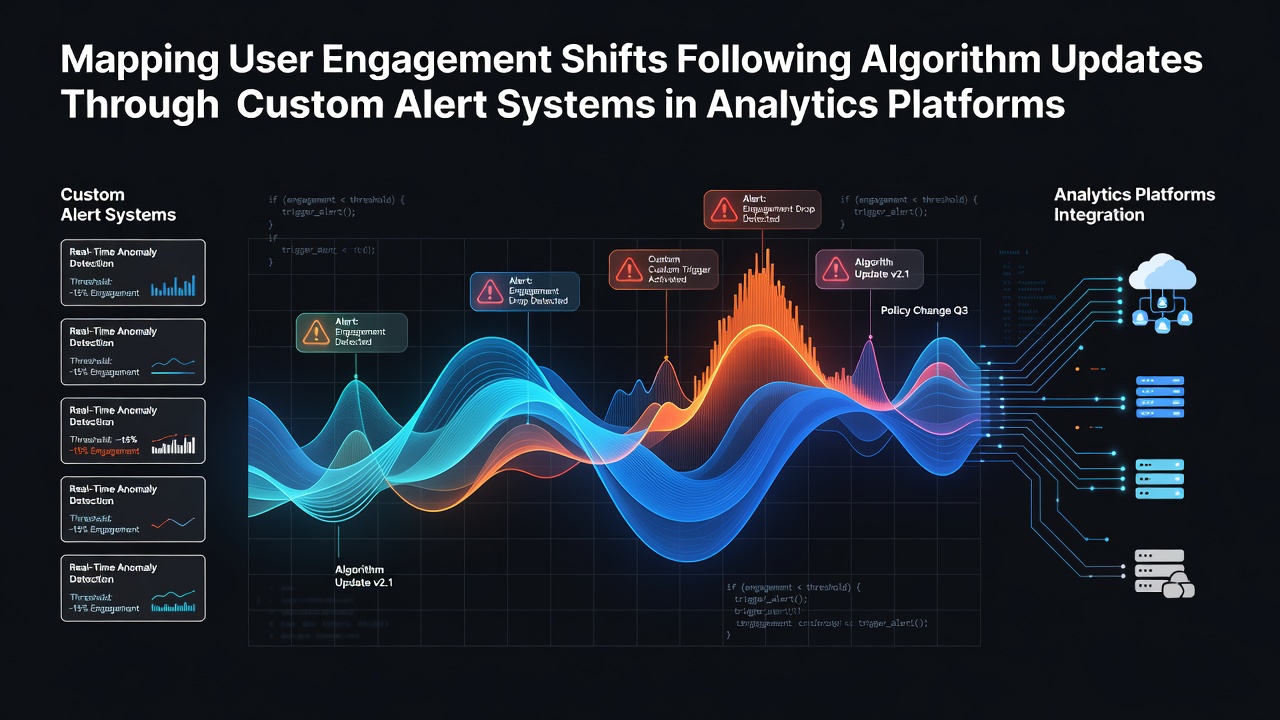
Analytics platforms now incorporate custom alert systems that flag immediate changes in user engagement metrics following algorithm updates from major digital services, and these tools allow teams to map shifts in session duration, page views per visit, and interaction rates across large datasets. Data from October 2026 shows several platforms recorded engagement drops of 12 to 18 percent within 48 hours of a major recommendation engine adjustment, while alert configurations helped isolate those patterns before broader reporting cycles completed their runs.
Core Components of Alert Configuration
Teams set thresholds on metrics such as bounce rate, scroll depth, and return visit frequency inside analytics interfaces, then link those rules to notification channels that activate when algorithm-driven content distribution alters user behavior. Custom setups often combine multiple conditions, for example requiring both a 15 percent rise in exit rate and a simultaneous decline in average session length before sending an alert, and this layered approach reduces false positives that single-metric monitors tend to generate. Observers note that platforms running these systems detected engagement changes tied to October 2026 updates faster than those relying on weekly aggregate reports alone.
Data Collection and Threshold Calibration
Analytics environments pull real-time event streams from web and mobile properties, then compare incoming values against historical baselines established over the prior 30 to 90 days, and custom alerts trigger when deviations exceed predefined statistical ranges. Researchers have documented cases where recalibrated thresholds, adjusted for seasonal traffic patterns, improved detection accuracy by 22 percent compared with static default settings. One documented implementation at a mid-sized media property revealed that alerts tied to content category filters highlighted engagement drops concentrated in video sections immediately after an algorithm prioritized short-form text posts.
Mapping Shifts Across User Segments
Segmented alert rules separate data by traffic source, device type, and geographic region so that changes appear in context rather than as platform-wide averages, and this granularity helps identify whether an algorithm update affects new visitors differently from returning users. Figures from industry reports indicate that segmented monitoring captured a 27 percent engagement reduction among mobile tablet users in one October 2026 case while desktop metrics remained stable, allowing teams to adjust content formatting before the next reporting cycle. Those who maintain these segment-specific alerts report quicker identification of affected cohorts and more targeted remediation steps.
Integration With Broader Analytics Workflows
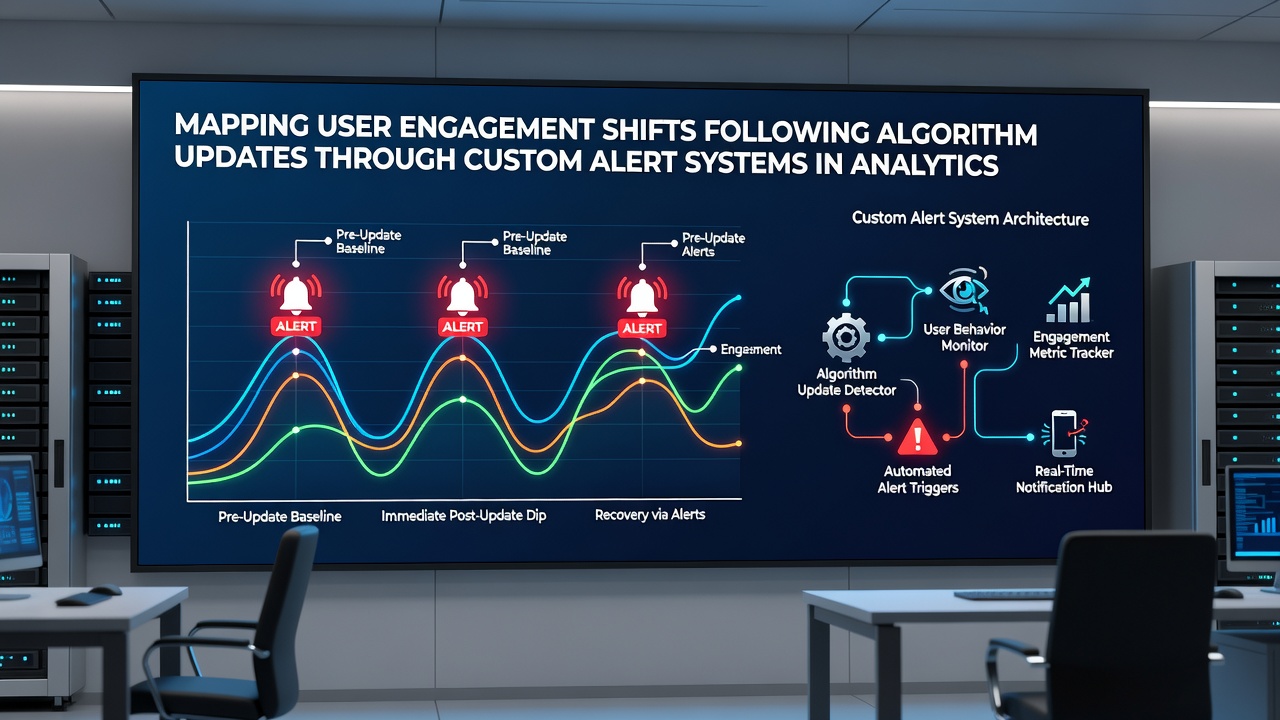
Alert outputs feed into automated dashboards that overlay timeline markers for known algorithm updates, creating visual correlations between platform changes and metric movements, and this integration supports retrospective analysis without manual data stitching. According to a study published by researchers at the University of Melbourne, organizations using automated alert-to-dashboard pipelines reduced time spent on post-update audits by an average of 35 percent. The same workflows also export flagged periods into external business intelligence tools for deeper statistical modeling when initial alerts indicate sustained shifts rather than temporary fluctuations.
Examples From Recent Platform Activity
In October 2026 a social platform adjusted its feed ranking parameters, and analytics teams with preconfigured alerts recorded engagement drops concentrated among users aged 18 to 24 within the first day, whereas older cohorts showed smaller changes, and the segmented data guided content teams toward format adjustments that recovered part of the lost interaction volume. Another case involved an e-commerce site that linked custom alerts to inventory-related events, revealing that algorithm-driven search result reordering reduced time on product pages by 14 percent for certain categories while increasing it for others. These documented patterns illustrate how alert systems surface differential impacts that aggregate reports might obscure.
Maintenance and Refinement Practices
Teams review alert performance after each major algorithm change by comparing triggered events against final verified metric shifts, then adjust sensitivity levels or add new metric combinations as needed, and this iterative process keeps the system aligned with evolving platform behaviors. Data from the Australian Competition and Consumer Commission digital platform reports shows that organizations conducting quarterly alert audits maintained higher detection rates over multi-year periods than those using static configurations. Refinement also includes adding contextual tags that note concurrent external events, such as major news cycles or competitor launches, to distinguish algorithm effects from other variables.
Conclusion
Custom alert systems embedded in analytics platforms provide structured methods for mapping user engagement shifts that follow algorithm updates, and the combination of real-time thresholds, segmented rules, and workflow integration supports timely identification of metric changes across different user groups and content types. Evidence from October 2026 activity and earlier periods demonstrates consistent patterns where these tools accelerated detection compared with periodic reporting alone, while ongoing calibration sustains their relevance amid changing platform dynamics.